Upgrade Roof Lights for Daylight Access
Innovative Skylight Concepts: Creative Approaches to Elevate Your Interior Decor
Distinctive skylight designs present an exceptional chance to improve living spaces. Through the use of unique shapes and multi-panel configurations, homeowners can significantly transform the atmosphere of their living spaces. These qualities not only address visual appeal but also boost energy efficiency and usability. Understanding the transformative benefits of skylights can guide informed choices. Still, the challenge persists: how does one choose the ideal skylight to complement their individual taste and architectural design?
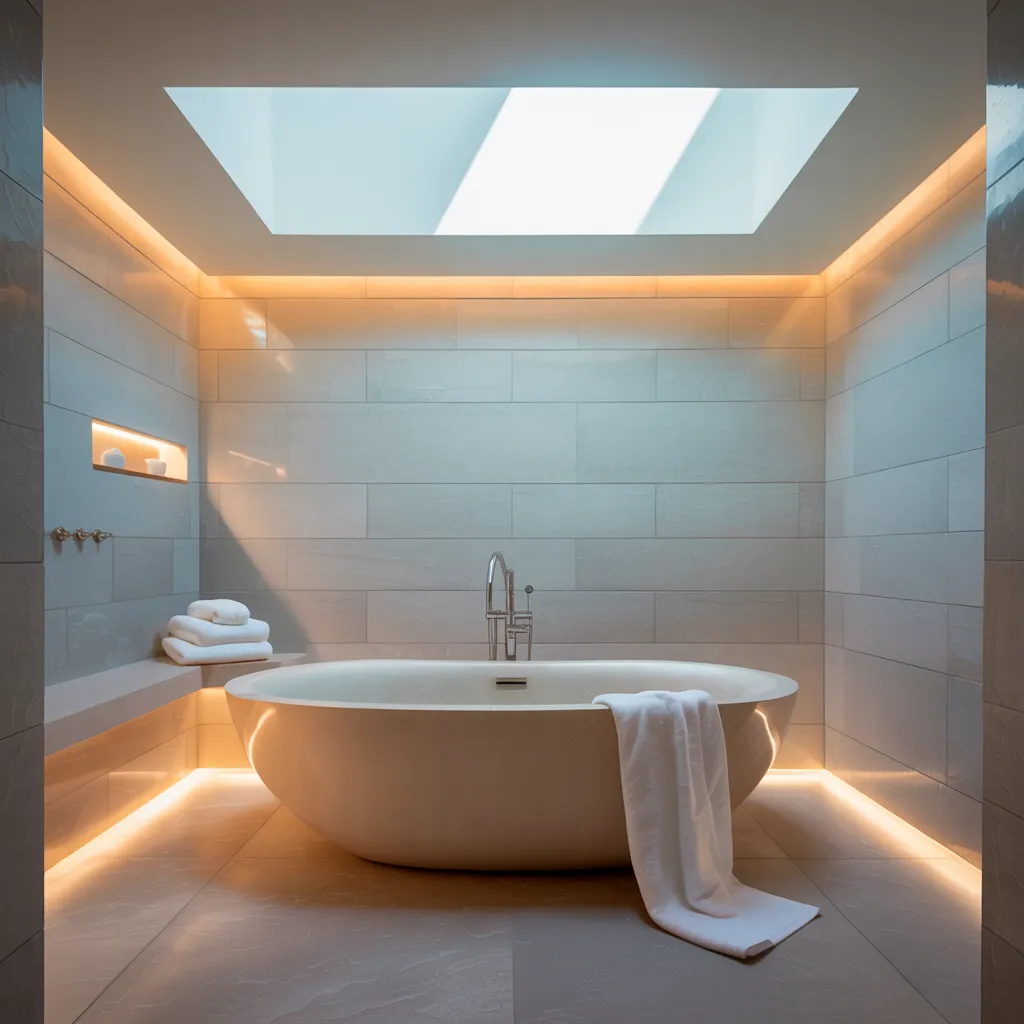
Revolutionary Advantages of Skylights in Interior Design
Even though various aspects influence interior design, skylights remain notable for their significant impact. They function as a vital channel for natural light, enhancing the overall ambiance of a space. By flooding interiors with sunlight, skylights can render interiors more spacious and appealing, generating a feeling of openness that conventional lighting typically cannot match. Moreover, the introduction of natural light has been shown to improve mood and productivity, making skylights an excellent choice for both residential and commercial settings.
Moreover, skylights help reduce reliance on artificial lighting, resulting in significant energy efficiency and a reduced carbon footprint. The way they are positioned can also showcase architectural features, lending a remarkable aesthetic appeal to the design. With multiple styles and sizes at your disposal, skylights can be adjusted to suit various interior themes, making them a multifaceted option for elevating both functionality and beauty in any room.
Remarkable Geometric Skylight Configurations to Review
Distinctive geometric skylight designs can tremendously elevate interior spaces by introducing visual appeal and personality. Triangular skylight styles deliver a sleek aesthetic, while circular designs create a feeling of smoothness and continuity. Both shapes provide distinct ways to integrate sunlight into various architectural styles.
Triangular Skylight Designs
Triangular skylight configurations deliver a remarkable departure from conventional forms, capturing attention with their geometric elegance. These unique skylights can transform any space, introducing an element of modernism while optimizing the flow of natural light. Their distinct angles create dynamic visual interest, making them a perfect fit for modern living spaces. Moreover, triangular forms blend naturally into diverse architectural aesthetics, from minimalist to industrial. By enabling natural light to stream in from various directions, they elevate the atmosphere and sense of space in a room. Beyond that, the versatility of triangular skylights enables customization, catering to individual aesthetic preferences. Ultimately, these creative configurations serve to improve interior styling while cultivating a more welcoming and light-filled space.
Circular Skylight Selections
Circular skylight options present an elegant and harmonious choice for elevating interior settings. These distinctive architectural features not only invite natural light but also form an impressive visual anchor. Available in various diameters, circular skylights can complement effortlessly different architectural styles, from sleek to conventional. Their symmetrical shape promotes a sense of harmony, making them perfectly suited to rooms that perform well with subdued natural light, such as lounges and practical resource sleeping quarters. Additionally, innovative glass solutions ensure energy efficiency while reducing thermal transfer. Tailoring possibilities, including styled frames and tinted panes, allow homeowners to tailor their designs distinctively. Ultimately, circular skylights serve as a perfect blend of form and function, enhancing both visual appeal and atmosphere in any interior setting.
Multi-Panel Skylight Systems: A Sleek Modern Look
As homeowners look to combine natural light with modern design, multi-panel skylights emerge as an elegant solution. These architectural features consist of several adjoining panels, enabling sweeping views of the sky and maximizing natural light. Their modular design offers flexibility, making them suitable for various roof shapes and sizes, while enhancing the overall aesthetic of both modern and traditional homes.
Multi-panel skylight systems can create impressive visual lines and bring depth to indoor spaces. Available in numerous materials, like acrylic and glass, they are customizable to accommodate personal preferences. Moreover, the panel arrangement can be arranged to form unique geometric patterns, providing a striking focal point in any room.
Integrating multi-panel skylight systems not only improves the visual appeal of interior spaces but also nurtures a connection with the outside world, elevating the residential experience. This innovative design element is set to reimagine the understanding of natural light in interior design.
The Ways Skylights Can Improve Your Home's Energy Efficiency
Although many homeowners focus on appearance when thinking about skylights, their energy efficiency benefits are equally significant. Skylights are capable of boosting natural light throughout a home, reducing reliance on artificial lighting during the day. This not only reduces electricity costs but also fosters a healthier living environment.
Additionally, current skylights typically offer energy-efficient glazing that reduces heat loss during winter months and stops overheating in summer. This enhanced insulation results in more effective temperature management, minimizing the demand for heating and cooling systems. Additionally, carefully positioned skylights can promote cross-ventilation, further enhancing a home's energy efficiency by allowing fresh air to circulate naturally.
How to Integrate Skylights With Smart Home Technology
Combining skylights with smart home technology revolutionizes the manner in which natural light and ventilation are regulated within a living space. By incorporating automated systems, homeowners are able to control skylight operations based on weather conditions or personal preferences. Smart sensors can detect sunlight intensity and regulate the skylight apertures to maximize natural light while reducing heat buildup.
Additionally, these setups can be configured to operate on schedules, enabling air circulation during specific times of the day. Integration with home automation hubs supports remote control via smartphones or voice commands, improving user convenience. Additionally, smart technology-equipped energy-efficient skylights can send alerts for maintenance needs, promoting longevity and performance.
At the end of the day, the fusion of skylights and smart technology not only enhances living conditions but also supports energy savings, empowering homeowners to enjoy the benefits of natural light without undermining oversight.
Essential Tips for Selecting the Right Skylight for Your Home
Selecting the best skylight requires careful evaluation of various factors to optimize both aesthetics and functionality. Homeowners should start by considering the purpose of the skylight, regardless of whether it is for daylighting, ventilation, or both. This decision impacts the type and placement of the skylight.
Additionally, it is important to take into account the dimensions; larger skylights provide more light but might necessitate extra structural reinforcement. Energy performance is another key factor; selecting models with insulated glass can lower energy expenses.
Regional climate conditions are also a contributing factor; long-lasting materials are essential in regions that experience severe weather. Furthermore, homeowners should evaluate shading options to control light and heat gain.
Lastly, professional installation is strongly suggested to ensure correct sealing and alignment, avoiding leaks and optimizing performance. By strategically assessing these components, homeowners can make informed skylight selections that positively transform their living areas.

Questions We Get Asked Often
What Are the Upkeep Requirements for Various Skylight Types?
Distinct skylight designs call for specific maintenance approaches; fixed models need periodic cleaning, while operable skylights demand examination of seals and operational components. Consistent evaluation for water intrusion and removal of accumulated debris is vital to maintaining superior performance and durability.
Are Skylights a Viable Option for Existing Homes?
Yes, skylights can be installed in existing homes. Experienced specialists evaluate the structural soundness and roofing materials prior to installation, providing thorough sealing and insulation to eliminate leaks and boost energy performance, ultimately improving the living space's natural light.
How Do Skylights Affect Indoor Temperature Regulation?
Skylights can notably affect indoor temperature regulation by permitting natural light to flow in, which can heat interiors throughout the cooler months. Nevertheless, lacking adequate insulation and shading solutions, they might also result in elevated temperatures throughout the hotter seasons.
Are There Safety Issues to Consider With Skylights?
Indeed, skylights come with safety concerns that include potential leaks, structural integrity issues, and risks of breakage. Correct installation, routine maintenance, and the use of tempered or laminated glass can reduce these risks and improve safety.
What Are the Best Materials for Skylight Frames?
Aluminum and vinyl are frequently regarded as the top materials for skylight frames due to their durability, low maintenance, and resistance to weathering. Wooden frames, although visually appealing, demand greater maintenance and are susceptible to rot.